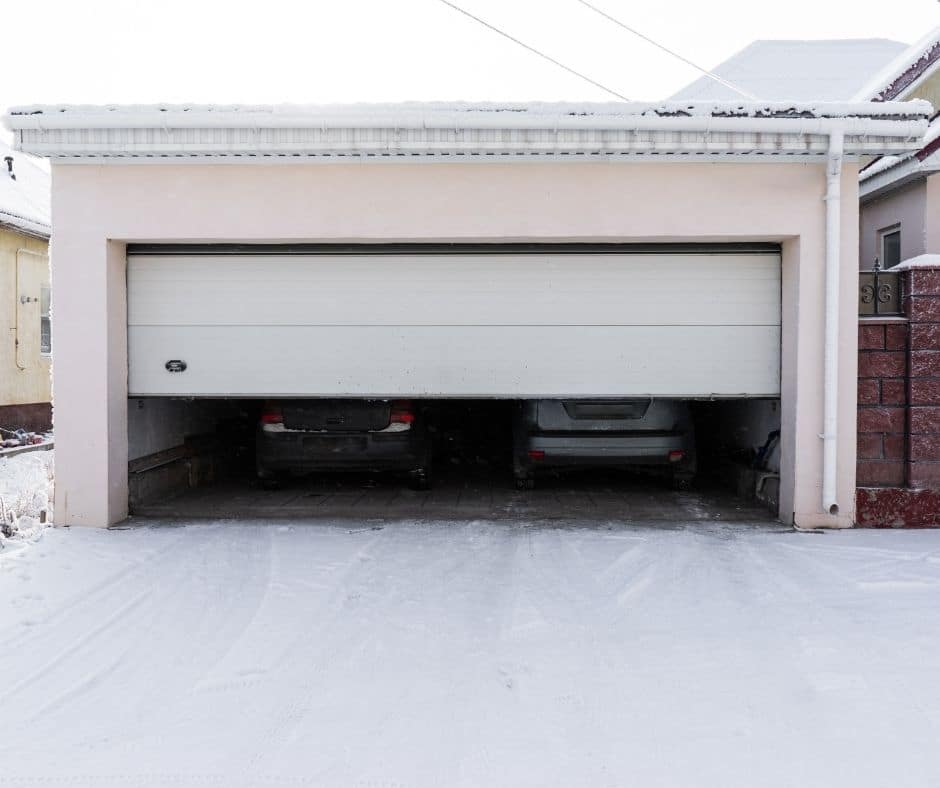
 There’s nothing more frustrating than getting home after a long day, pressing the garage door button… and nothing happens. Whether you’re running late or flat-out stuck, a garage door that won’t open can throw your whole routine off. The good news? Many common issues are easy to troubleshoot for our team at Looking Up Garage Doors, and some you can even fix yourself with our guidance.
Most Likely Causes of a Garage Door Getting Stuck Open
Check the Power First
Before anything else, make sure your garage door opener is actually getting power. It might seem simple, but this is one of the most common issues homeowners overlook:
- Make sure the opener is plugged in securely to its outlet.
- Check your home’s circuit breaker to see if the garage breaker has tripped.
- Try plugging another small device (like a lamp) into the same outlet to make sure it’s live.
If the opener has no power, it won’t move the door regardless of what else you try.
Test the Remote & Wall Controls
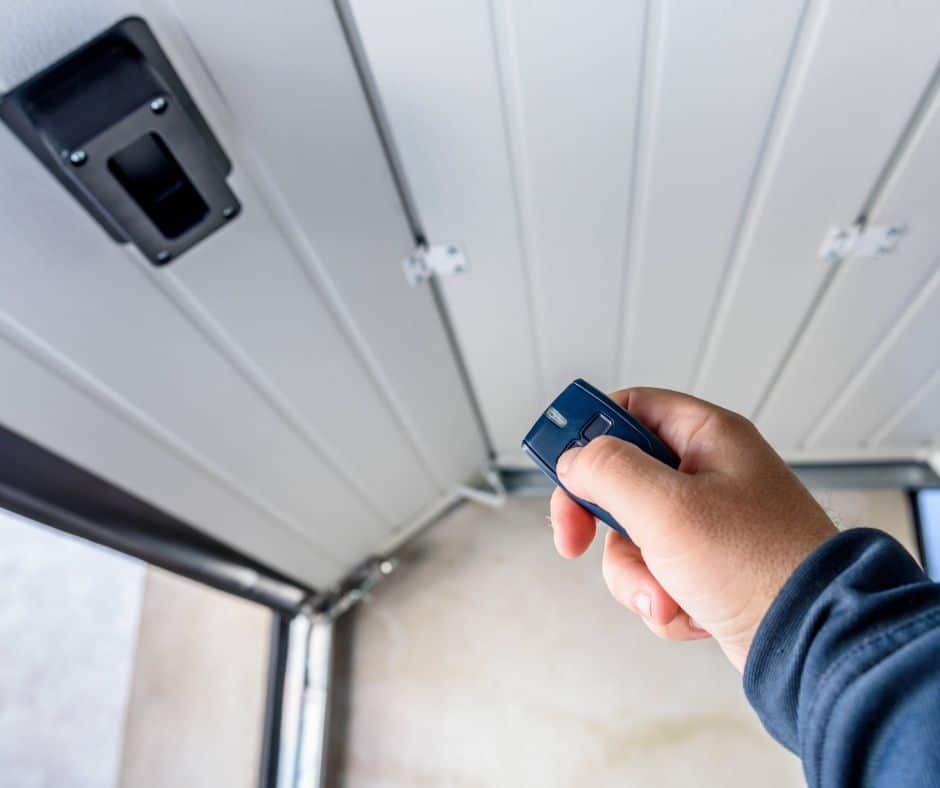 If the door won’t open from your remote or keypad:
- Replace the remote control batteries — weak or dead batteries are a super common culprit.
- Try using the wall-mounted button inside the garage.
- If the wall control works but the remote doesn’t, focus on remote batteries or reprogramming the remote.
If neither works, you might need to reset or reprogram the opener and remotes according to your owner’s manual.
Look at the Safety Sensors
Modern garage doors have safety sensors (photo-eyes) near the bottom of each side of the door. These sensors stop the door from closing if something interrupts the infrared beam, but they can also prevent opening if they’re misaligned or dirty.
- Wipe the sensor lenses with a soft cloth and check for dust or debris.
- Ensure the sensors are facing each other and aligned.
- Look for indicator lights, as many sensor pairs will show a solid light when they’re aligned properly.
Misaligned or blocked sensors are one of the easiest problems to fix yourself.
Try the Manual Release
Most garage door openers have a manual release cord (usually a bright red handle hanging from the opener rail). Pulling this disconnects the opener from the door, allowing you to:
- Lift the door manually to get it open right now.
- See if the door moves freely on its tracks or feels heavy/stuck.
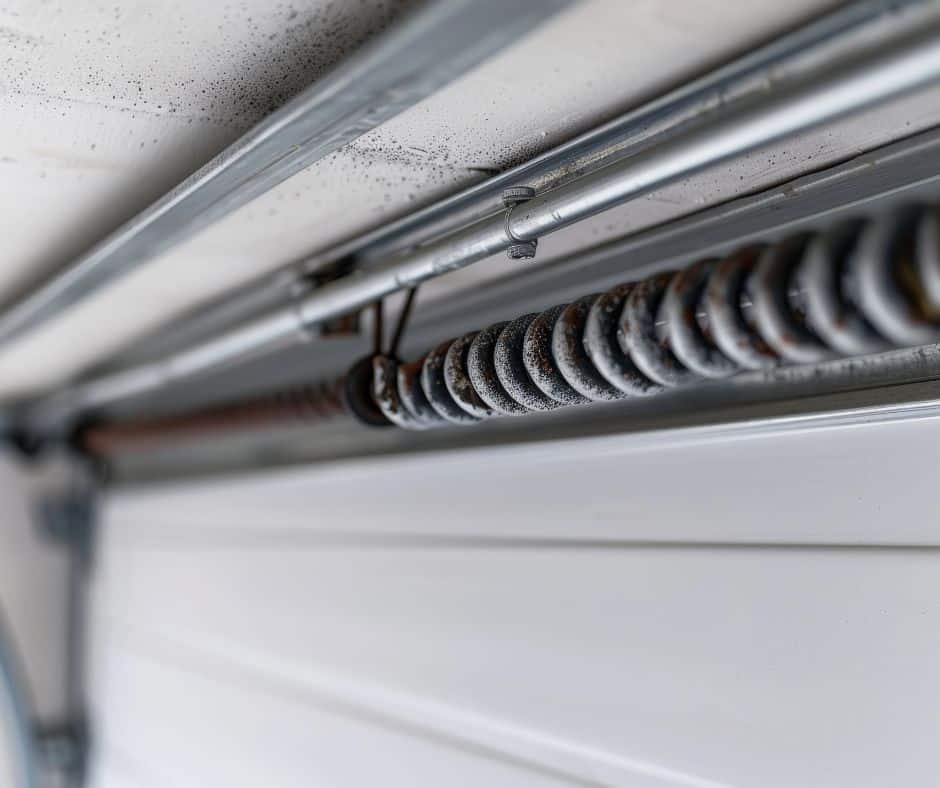
*A door that’s hard to lift manually could indicate a broken spring or other mechanical issue … don’t force it! This can be very dangerous.
Inspect Tracks, Rollers & Hardware
 If the door opens manually but struggles with the opener, the problem could be mechanical:
- Check tracks for dents, bends, or accumulated debris.
- Clean tracks and remove anything that might block rollers.
- Look for worn or sticky rollers, as these can cause the door to bind.
- Tighten any loose nuts or bolts on the door and track hardware.
Regular lubrication (with a silicone-based garage door lubricant) can also help keep parts moving smoothly, but do not lubricate inside the track itself, as that attracts dirt.
When It’s More Than a DIY Fix
Some issues are best left to trained professionals for safety reasons, especially parts under tension:
- Broken or worn springs are dangerous to handle without proper tools and experience.
- Snapped cables or seriously misaligned tracks also warrant professional inspection.
If the opener motor hums but doesn’t move the door, there may be internal damage requiring expert service. If you’re not comfortable performing these checks, or if basic troubleshooting doesn’t work, give us a call. Our technicians are equipped to diagnose and repair complex garage door issues quickly and safely.
Stay Ahead With Garage Door Maintenance
To avoid future problems:
- Check batteries in remotes and keypads every 6–12 months.
- Clean sensors and tracks periodically.
- Schedule with our team for spring or winter maintenance (but do this at least once per year).
Nothing’s more freeing than pulling into your garage with confidence. If your garage door still won’t open after troubleshooting, don’t worry! We’re here to help. Contact Looking Up Garage Doors for fast, reliable service and expert repairs you can trust.